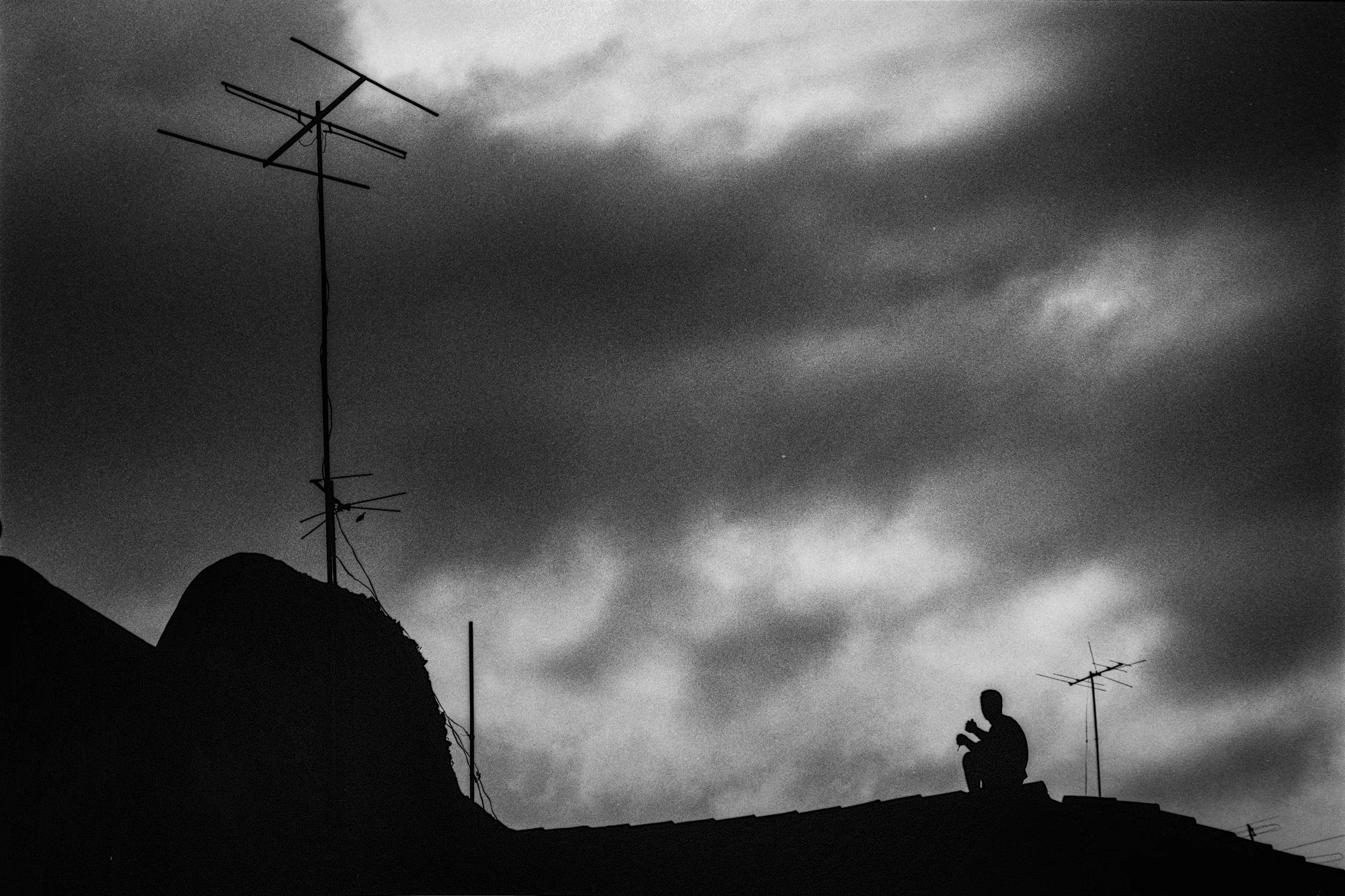
In the humid twilight of Cuba, a country that seems to exist in a state of slow unravelling, as though time itself had chosen to linger, one realizes that to be Cuban is to live inside a beautiful, heartbreaking paradox. Sitting on a crumbling seawall along the Malecón, watching the spray of the ocean that leap like a ghost over the sea wall, and you will hear the familiar sigh of the Cubans: “No es fácil.”
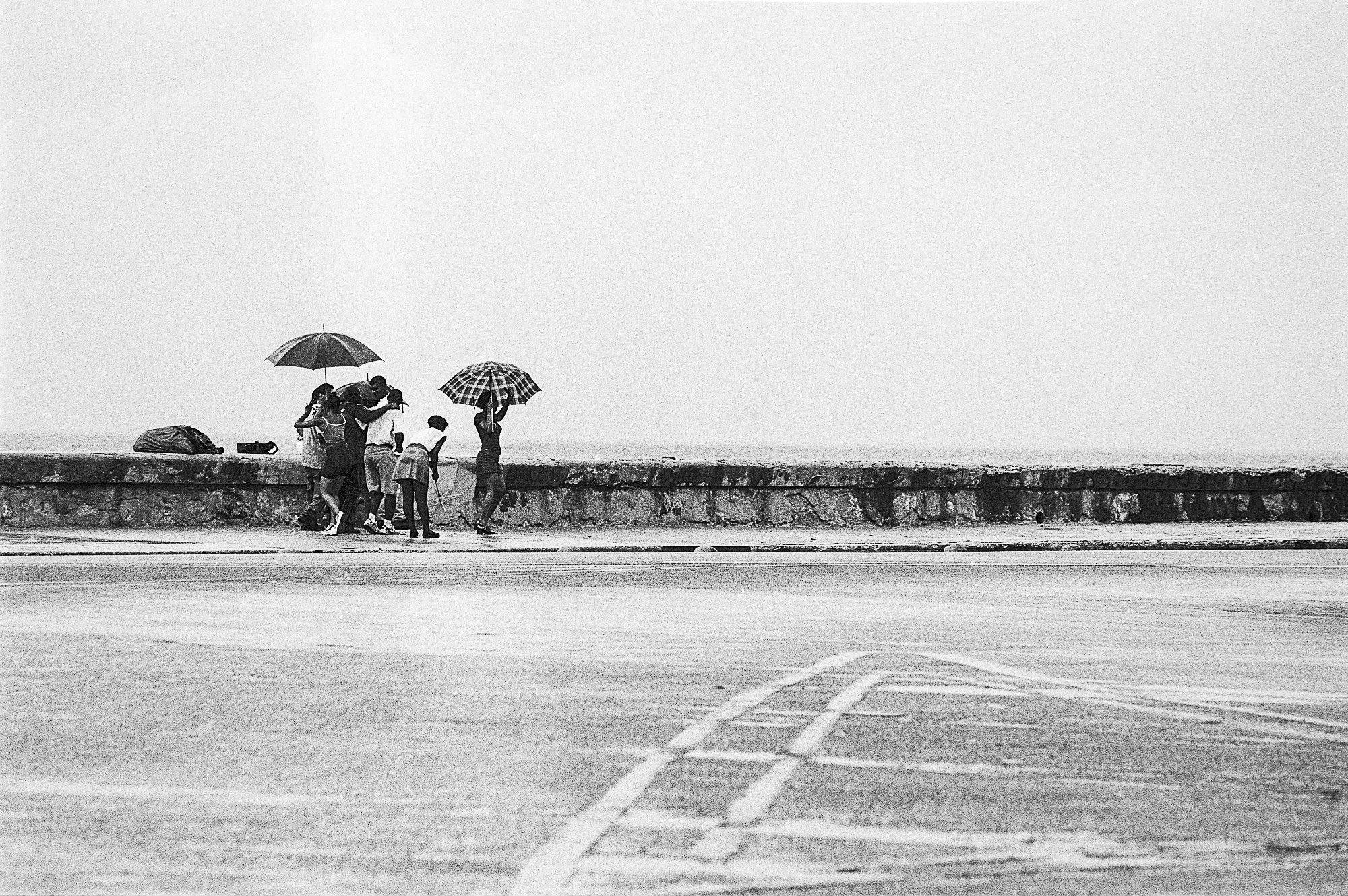
It is the mantra of an island suspended between a forgotten past and a future that refuses to arrive. One might observe that in this year of "complete collapse," the Cuban pride is no longer found in the grand, revolutionary murals fading under the Caribbean sun, but in the intricate, desperate dance of human connection. No es fácil to survive a day where the power grid is a memory and the currency has become just paper with no real value, yet the pride remains, not as an arrogance, but as a quiet, stubborn refusal to be erased.
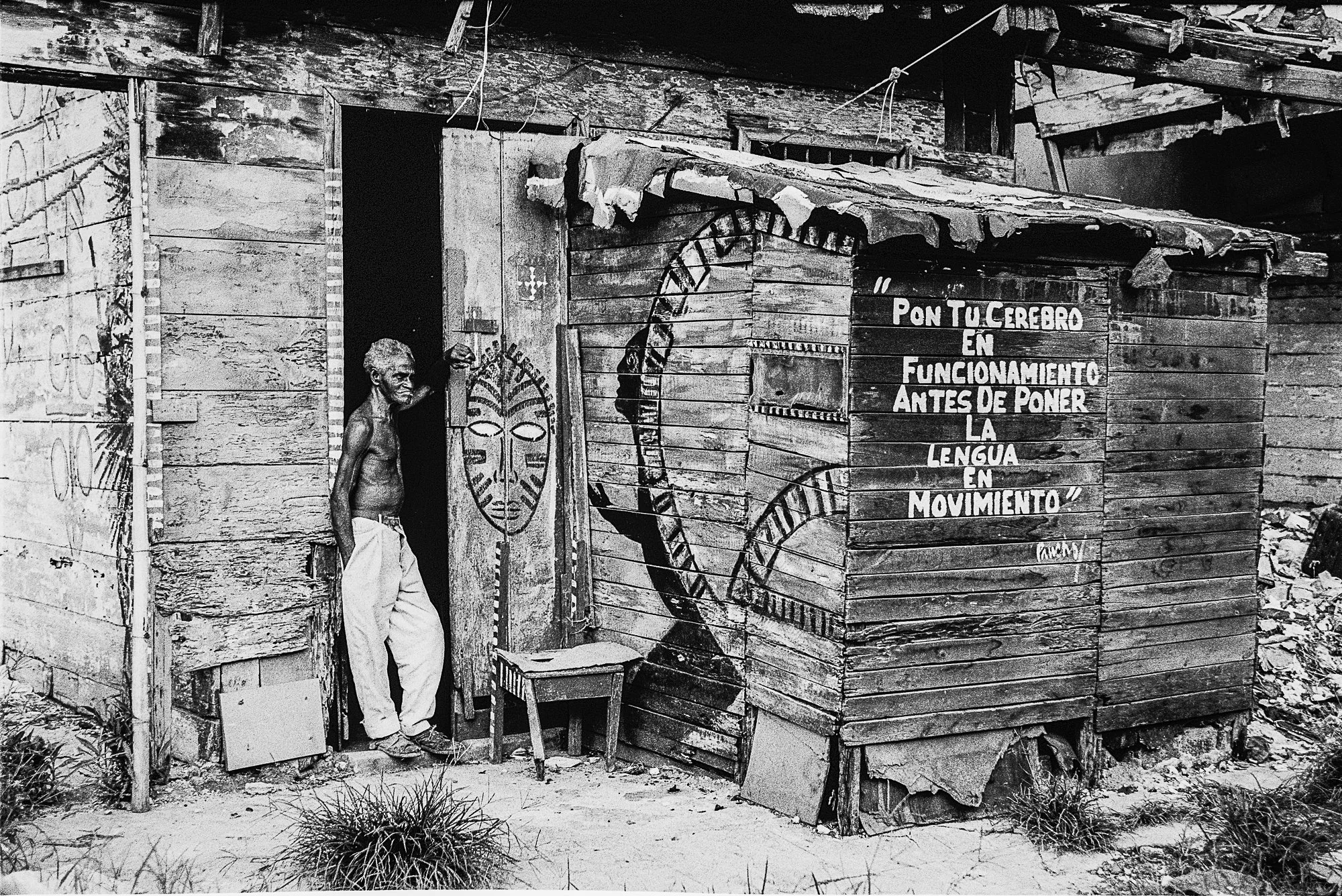
Their dignity is found in the shadows. It can be seen when the electricity disappears and instead of retreating into the dark, people pull their chairs out onto the sidewalk. They share the one candle they have left, they pass around a single cigarette, and they trade tips on which bodega might have eggs tomorrow. I see women in the solar standing over a communal stove, pooling their meager rations, a handful of beans from one, a stray onion from another, to ensure the "abuela" on the first floor doesn't go to bed with an empty stomach. There is a silent, sacred contract here: when the infrastructure of the world fails, the infrastructure of the heart takes over.
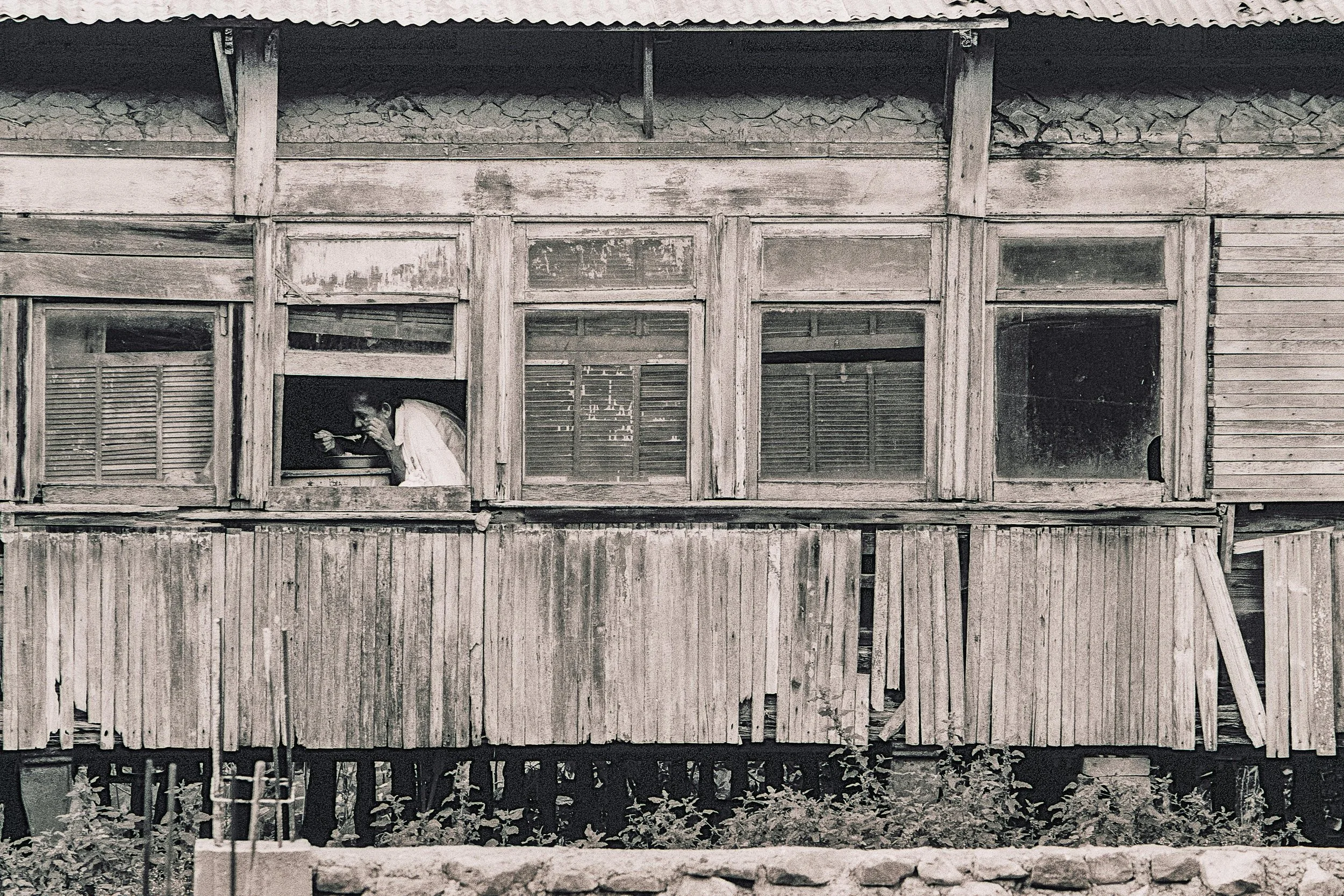
In the jaded, flickering candlelight, where the darkness of the blackouts is so thick you can almost touch it, the girls emerge like exotic birds from the ruins of their tenements. They are 16, 17, perhaps twenty-two, but their eyes have the ancient, weary clarity of those who have seen the end of the world and decided to put on lipstick anyway.
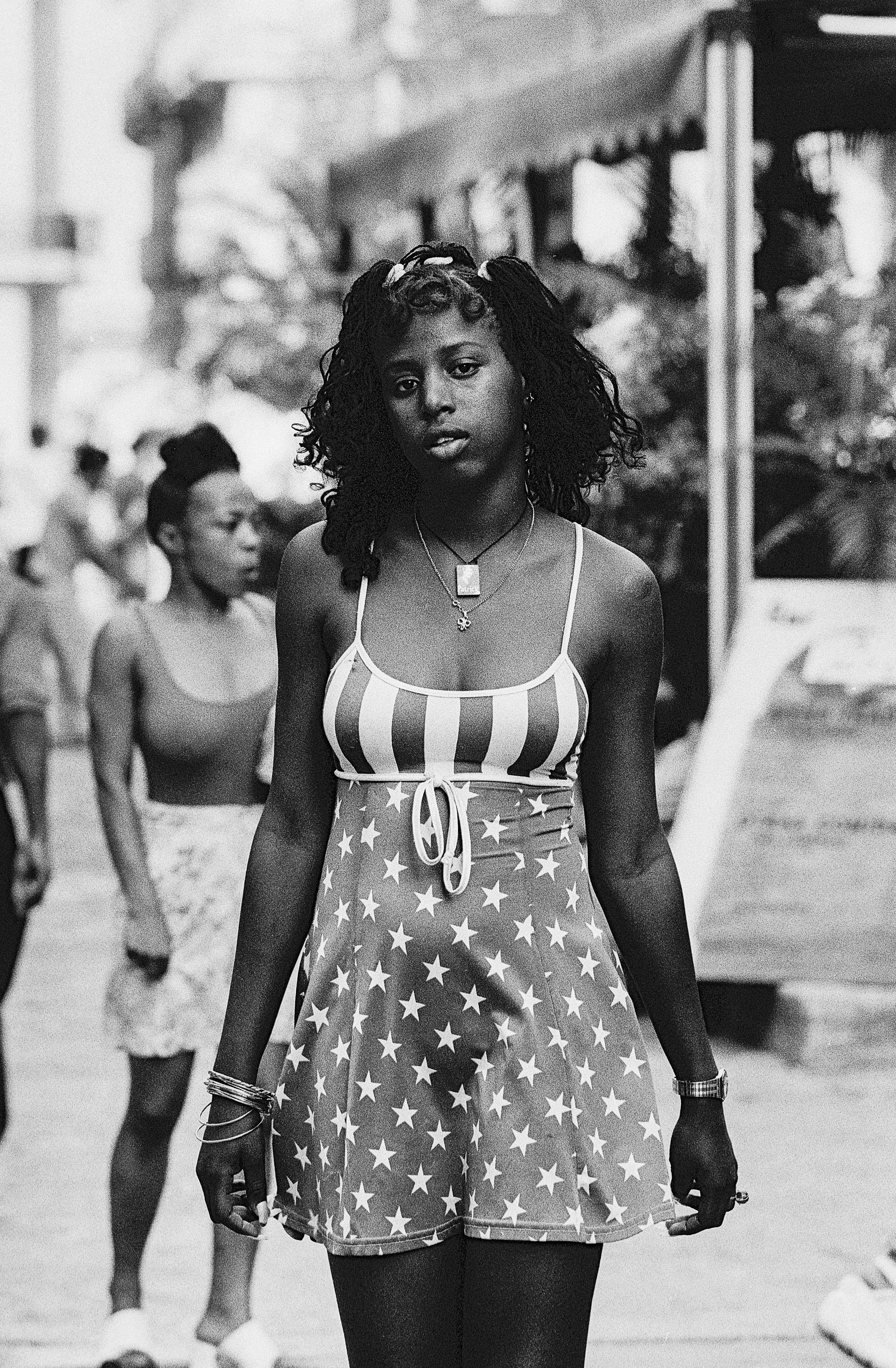
This is the pride of the shipwrecked who have learned to swim together. It is the dignity of a people who have been told for decades that they are part of a grand experiment, only to find themselves, in 2026, relying on the simple generosity of a neighbor's hand. They say “no es fácil” because the weight of the island is heavy, but they carry it with a grace that defies the gravity of their situation.
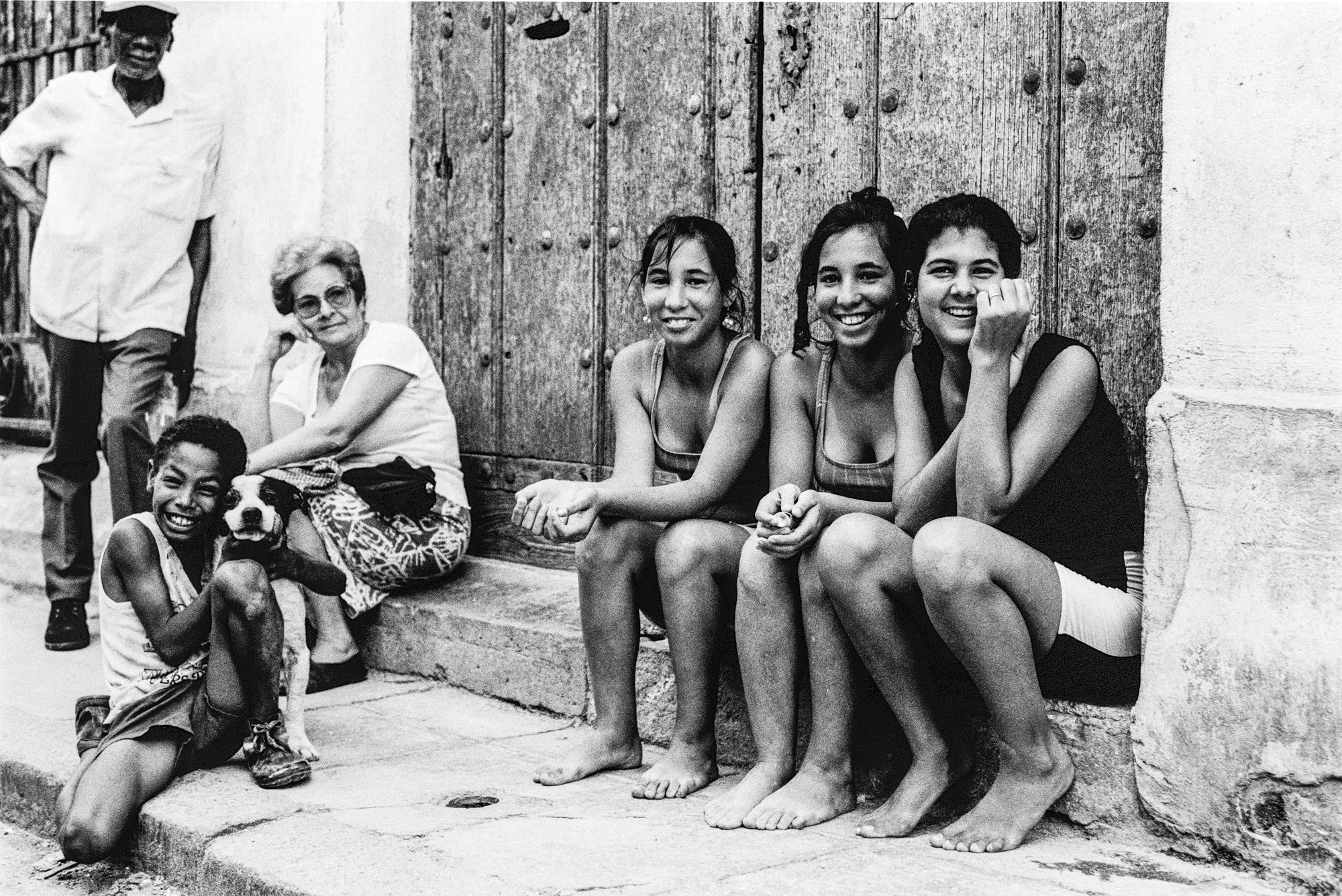
To be Cuban now is to inhabit a place where everything is broken except the spirit. It is a love for a home that offers nothing but hardship, yet demands everything. Observed as they share a single, hand-rolled cigarette in the dark, their laughter echoing off the salt-eaten stones, and you realize that their pride isn't in what they have, for they have almost nothingbut in who they have become to one another in the long, dark night of this eternal "lucha." No es facil.